
Experience Breeds Confidence
Trading Confidence Is Built Through Experience: Why Evidence Matters More Than Belief
Every trader wants confidence. We want to sit down at the charts, trust our analysis, take our setups without hesitation, manage risk calmly, and believe that we have what it takes to become consistently profitable. But what if confidence isn’t something we need to force? What if real trading confidence is actually the result of experience?
The deeper I get into my own trading journey, the more I believe there is an important difference between trying to feel confident and having enough evidence to genuinely trust yourself. One sounds like: “I think I’m going to trade well today.” The other sounds like: “I have no idea what the market is going to do today, but I have evidence that I can handle what it gives me.” That second kind of confidence is much harder to shake.
Confidence in Yourself, Not in the Market
Day trading will always contain uncertainty. No amount of experience gives us the ability to know exactly what the market will do next. So perhaps the goal shouldn’t be confidence in our predictions. Instead, we can build confidence in our ability to respond.
Can I recognize my best trading setups? Can I wait for confirmation? Can I respect my stop loss? Can I recognize when the market is choppy and my edge isn't present? Can I survive a red day without turning it into a catastrophic one? Can I recover from a mistake without immediately revenge trading?
Those experiences become data. Over enough time, that data begins telling us something about who we are becoming as traders.
Your Trading Experience Is Evidence
Early in our trading careers, we often focus heavily on knowledge. We study charts. We learn candlestick patterns. We watch experienced traders. We take notes. We backtest strategies and try to understand market structure. All of that matters.
But eventually, trading has to become experiential. You have to see your setup hundreds of times. You have to experience the discomfort of sitting through a normal pullback. You have to take losses. You have to recognize FOMO while it's happening. You have to learn what happens when you oversize, and what happens when you don't. You have to experience difficult market conditions and discover that you can come back tomorrow.
That accumulated screen time begins developing something a trading book alone can't give you: pattern recognition, emotional maturity and trust in your own process.
Even Legendary Traders Were Shaped by Experience
Some of the traders we now consider legendary weren't simply born with extraordinary trading confidence. Their experience shaped them.
Paul Tudor Jones famously experienced a devastating cotton trade early in his career. The loss became a major turning point in how he thought about risk, discipline and capital preservation. He went on to build an extraordinary career in trading and money management.
Linda Bradford Raschke also experienced significant adversity early in her trading career. After getting caught on the wrong side of a takeover while trading someone else's capital, she spent years working her way out of the resulting financial hole. She continued trading. She refined her process. She accumulated experience. And she eventually built a decades-long professional trading career. Raschke has summed up an important reality of this profession beautifully: “In this business, you learn by doing.” That doesn't mean losses themselves make us better traders. It means what we learn, change and repeatedly execute afterward can.
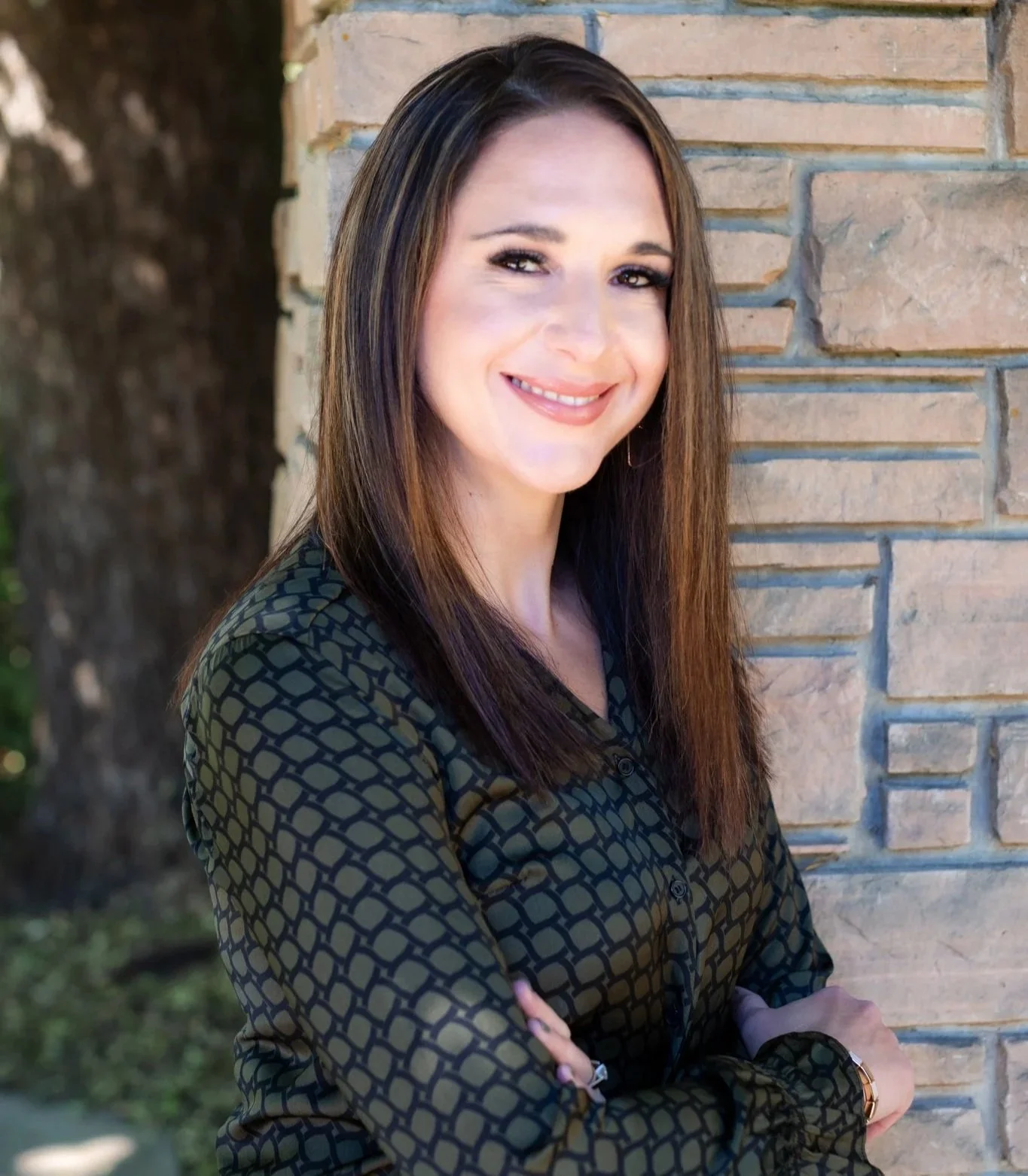
“Don’t manufacture confidence. Just show up for the work and let your experience compound.”
~ Becky Gaskell, Market Mamas
Five and a Half Years In, I Can Feel the Difference
I've been trading for about five and a half years now, and I certainly don't feel like I've “made it.” There is still so much I want to accomplish. But I can also recognize something that I couldn't see as clearly earlier in my journey: I'm stronger than I used to be.
Market conditions that once would have completely rattled me don't affect me in quite the same way. I can recognize some of my mistakes sooner. I understand my setups better. I can sometimes hear the internal voice telling me to chase, overtrade, force a setup or make back a loss - recognize it before I act on it. And in terms of trader growth, these are important shifts, at least in my experience!
Do I execute perfectly every time? Absolutely not. But improvement doesn't require perfection. Sometimes growth is simply recognizing a destructive behavior ten minutes earlier than you used to. Then twenty minutes earlier. Eventually, perhaps, recognizing it before you act at all. That is experience becoming evidence.
Build an Evidence Bank
If you're struggling with confidence as a day trader, try changing the question. Instead of asking: “Why am I not more confident?”
Ask: “What evidence am I accumulating?” Create an evidence bank from your actual trading.
Look for proof that you're developing:
How many times did you wait for your setup instead of chasing?
How often did you honor your stop when you desperately wanted to give the trade more room?
Did you respect your daily loss limit?
Are you recognizing poor market conditions sooner?
Are you recovering from losing trades faster?
Can you clearly explain your edge and recognize when it is or isn't present?
Are you holding good trades more effectively?
Are you sizing according to your plan instead of your emotions?
Are your revenge trades becoming less frequent?
Are you journaling honestly and learning from your executions?
Screenshots, journal entries, trade statistics and post-session reviews can all become part of this evidence bank. Over time, you aren't simply telling yourself you're becoming disciplined. You can see the proof.
P&L Is a Lagging Indicator
This may be one of the most important distinctions. Your P&L isn't always the best evidence of whether you traded well. You can execute your strategy beautifully and still have a losing day because the market didn't favor your edge. You can also trade recklessly, oversize, break your rules, and get bailed out by one lucky winner. Which trader actually had the better day?
For long-term development, I care far more about the behaviors underneath the outcome. Did I manage risk? Did I execute my best setups? Did I stop when I was supposed to stop? Did I avoid emotional trades? Did I follow my system?
Those behaviors are leading indicators. P&L is often the lagging indicator that follows them. When disciplined behaviors become increasingly repeatable, confidence no longer has to be manufactured. You're building reasons to trust yourself.
Repetition Builds the Trader
Trading confidence reminds me a lot of building strength in the gym. You don't walk into the gym once, lift the heaviest weight possible and suddenly become strong. Strength comes from repetitions.
Trading works similarly. One more setup executed correctly. One more stop respected. One more bad market walked away from. One more journal entry written honestly. One more losing day handled professionally. One more temptation to revenge trade that you choose not to act on. Those repetitions compound.
Eventually, behaviors that once required enormous conscious effort begin becoming part of who you are. And that may be where trading intuition actually comes from… not magic, not prediction, but thousands of observations, decisions, mistakes, corrections and repetitions accumulated over time.
Don't Manufacture Confidence. Compound Experience.
If you're still early or somewhere in the messy middle of your trading journey, you don't need to demand that you feel like a trader who has been doing this professionally for twenty years. Keep putting in the reps. Practice deliberately. Observe. Get feedback. Correct mistakes. Refine your execution. Respect your risk. Journal honestly. Come back tomorrow.
I'm five and a half years into this journey, and I can finally feel some of that experience behind me. There is still a tremendous amount ahead of me, but I don't need to convince myself that I've grown. I have evidence that I have. And I want to keep stacking that evidence.
Because perhaps real trading confidence isn't something we speak into existence. It's something we earn through the way we repeatedly show up.
Don't manufacture confidence. Show up for the work, let your experience compound, and allow the confidence to follow.
To those who show up for these conversations with me, the mental effort and time dedication, you are my people and I would love to get to know you better! Please take a moment to shoot me a comment on https://www.market-mamas.com/contact! Keep learning, keep growing, keep trusting yourself, and always show yourself some love throughout this pursuit. We got this!