
Traders: Take the L
Taking the L: Why Small Losses Are the Mark of a Professional Trader
Every trader wants the same thing: clean execution, A+ setups, green days, and the satisfaction of walking away early with profits locked in. But that’s not the full reality of trading.
In this episode of the Market Mamas trader psychology podcast overviewed in this blog here, I had to tackle one of the most emotionally charged skills in trading: taking the loss (L). I needed to reframe it factually as a defining characteristic of professionalism rather than failure. If you struggle with moving stops, revenge trading, or feeling personally attacked by a red day, this topic is for you! And, I should know, as I have personally worked through / am working through these myself too as a futures day trader!
A Loss Is Not a Failure, It’s a Designed Outcome
Here’s the core mindset shift: A stop loss is not a mistake. It’s not rejection. It’s not proof you’re a bad trader.
It is a planned, statistical outcome within a profitable system. If your strategy has a 60% win rate, that means 40% of the time it will lose, and still be profitable overall with the right R:R factor.
Professional trading is about probability distributions, not perfection. If your system includes risk (and it must), then losses are part of the business model. The goal isn’t to eliminate red trades. It’s to effectively manage them. Small losses are the fee you pay to stay in the game. To be a trader.
Why Traders Really Avoid Stops
Most traders don’t move stops to “save” money. They move stops to avoid pain. A stop getting hit triggers: ego discomfort, fear of being wrong, regret over effort expended, frustration about lost sleep for preparation, or a perceived hit to identity.
But delaying pain often multiplies it. When you widen a stop or double down on a red position, you aren’t trading your system, you’re attempting to manage your emotions. And that’s where accounts get damaged. Accounts don’t blow up from disciplined stop losses. They blow up from ignoring them.
The Real Goal: Avoid Blowouts, Not Red Trades
The objective in trading isn’t to avoid going red. It’s to avoid catastrophic losses.
A properly placed stop:
Protects your capital
Preserves your decision-making clarity
Reduces emotional spirals
Allows you to trade tomorrow
Think of it like insurance. You pay small, consistent premiums (losses) to prevent a devastating financial event. That’s not weakness. That’s professionalism.
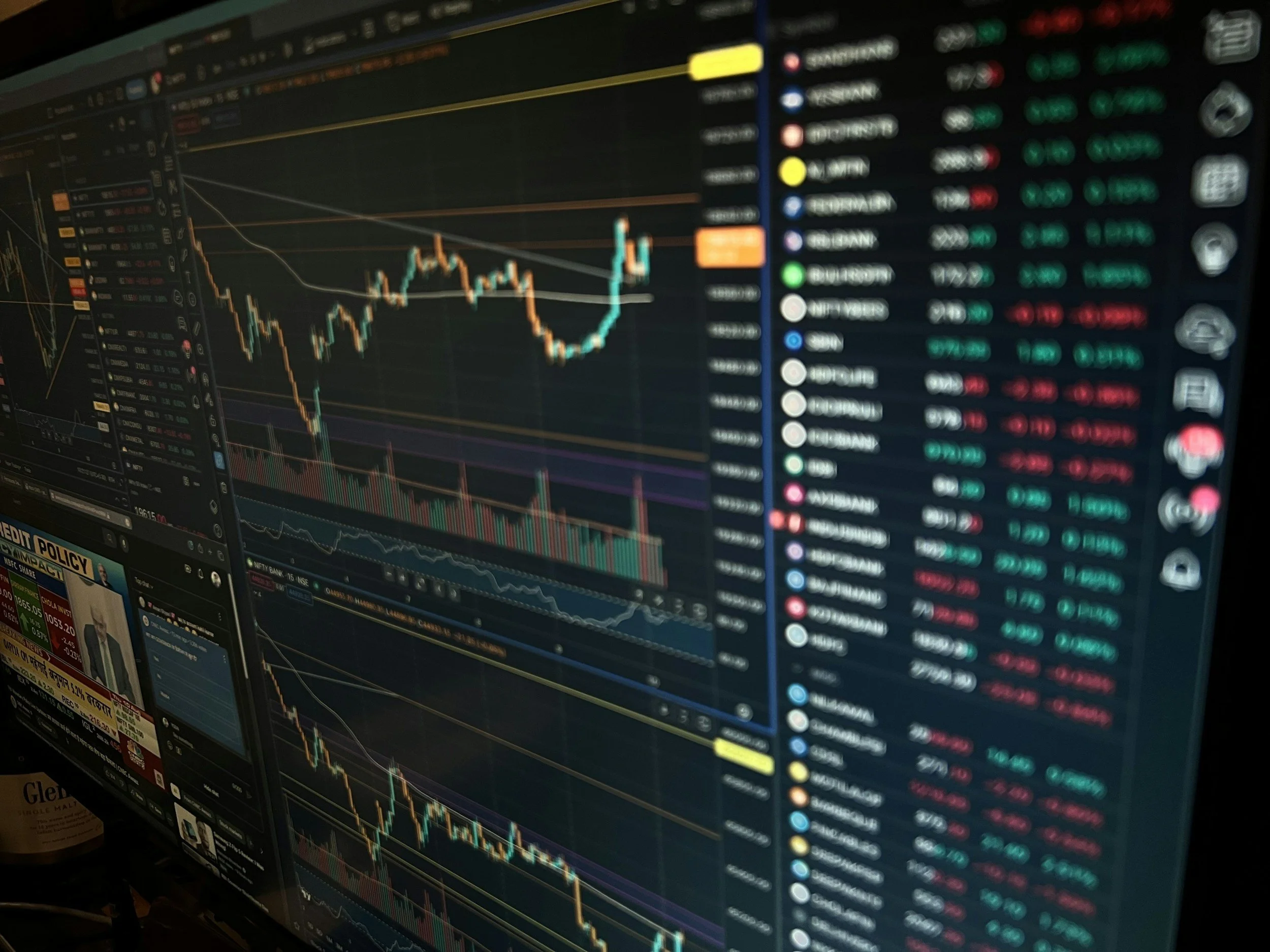
“Accounts don’t blow up from stop losses, they blow up from ignoring them.”
~ Becky Gaskell, Market Mamas
Managing Your Trade vs. Managing Your Emotions
There’s a crucial distinction all traders need to remember. Managing your trade in real time = following your system. Succumbing to your emotions in real time = breaking your system.
When you:
Give it “a little more room”
Adjust size to make it back faster
Move stops farther away
Hope instead of honor your system
You’re no longer trading probabilities. You’re trading feelings. And feelings do not have a positive expected return...
Actionable Strategies to Take the L Like a Pro
This episode doesn’t just motivate. It gives practical tools. Here are key takeaways you can implement immediately:
1. Accept the Loss Before You Enter
Before clicking buy or sell, say it clearly: “If this trade stops out at -$400, I’m okay with that. I agree to those terms.” Pre-accepting risk reduces emotional shock when it happens.
2. Define Your Risk-to-Reward Clearly
Aim for at least a 2:1 reward-to-risk ratio. Know your stop. Know your target. No improvising under pressure. Make your plan before entering, and then commit to honoring it.
3. Build a Post-Stop Ritual
For example, when stopped out: step away from screens, use box breathing (4-4-4-4 count), journal the trade immediately, and lock your platform if needed. Create a repeatable process that trains your nervous system to stay neutral and treat the situation as business as usual.
4. Avoid Revenge Trading at All Costs
Doubling size to “make it back” is not strategy, it’s emotion driven by a sense of lack. If you take another trade after a loss: maintain proper position sizing, wait for true confirmation, and stay within daily risk limits. Stability beats hero trades every time. And is critical to longevity as a trader.
5. Protect Both Financial and Emotional Capital
Large losses don’t just hurt accounts, they spill into life: frustration, edginess, carryover stress, poor sleep, and impacted relationships. Small losses are manageable. Blowouts ripple into everything. Professional traders think beyond the P&L of one day. For their lives, but also just their own sanity! I know, because I have experienced this more times than I’d prefer.
The Identity Shift: Red Days Don’t Define You
One of the most powerful reframes from this conversation: A small red day means you are a disciplined trader.
It means:
You respected your system.
You controlled risk.
You prioritized longevity.
You acted like a business owner.
That’s strength. Taking the L cleanly and calmly is not a weakness. It’s the exact behavior that moves traders from the messy middle into professional territory.
Why This Skill Determines Longevity
Statistics suggest the majority of day traders quit within a few years. The reason often isn’t strategy, it’s emotional mismanagement.
If you can:
Let small losses stay small
Study them objectively
Avoid emotional spirals
Trade within defined risk
You dramatically increase your odds of trading for decades. And that’s the real goal.
Final Thought: Small Losses Are a Power Move
Taking a loss with discipline says: “I value my future in this game more than my ego today.” That’s a business mindset. That’s professional trading.
If this resonates with you… if you’ve ever moved a stop, chased a loss, or felt personally attacked by a red day, then this episode of Market Mamas is one you’ll want to hear in full. Because mastering how you lose is what ultimately determines how you win.
To those who show up for these conversations, the mental effort and time dedication, you are my people and I would love to get to know you better! Please take a moment to shoot me a comment on https://www.market-mamas.com/contact! Catch you next time! Keep learning, keep growing, and keep trusting yourself. We got this!