
Size Down, Stay in the Game: Rachael on Trading Psychology, Risk Management, and Motherhood
What if the best move you could make as a trader wasn’t finding a new strategy, but simply trading smaller? In this episode of Market Mamas, I sat down with Rachael, a futures trader, mom of two, and co-founder of The Confluence Code. We talked about her journey into trading, the challenges of balancing the markets with motherhood, and why risk management and patience remain essential at every stage of a trader’s development. Rachael’s story is a refreshing reminder that trading success isn’t built overnight. It’s built through experience, self-awareness, and the willingness to keep adjusting along the way.
From Curious Beginner to Full-Time Trader
Rachael’s interest in trading began about four years ago after she stumbled across day trading videos online. What started as curiosity grew into a commitment to learning through books, videos, chart time, and the lessons that come from actually participating in the markets. Like many traders, her early journey wasn’t a straight line. After about six months, she found herself struggling with losses, spending too much time watching the charts, and feeling the urge to make money back. She eventually stepped away for several months to reset.
What stood out to me was that Rachael didn’t see the break as giving up. She saw it as an opportunity to reassess what needed to change. At the time, she was learning to trade while working full time and growing her family. Later, after being laid off from her job in tech during her second pregnancy, she and her husband discussed whether she could pursue trading full time. By then, she had reached profitability and decided to take that step.
Her journey is a reminder that every trader’s path looks different. The time, capital, family responsibilities, and opportunities available to one person may be very different from another’s.
Trading Psychology Is a Muscle You Keep Working
One of my favorite parts of this conversation was our comparison between trading psychology and going to the gym. You don’t build strength once and keep it forever without continuing to train. In the same way, discipline, patience, and risk management require ongoing attention - even after you’ve developed a profitable strategy.
Rachael shared that she still occasionally notices impatience creeping into her own trading. The difference now is that she recognizes it and works to return to her rules before a small slip becomes a bigger problem. That self-awareness matters. A difficult trade or an emotional moment doesn’t have to define your day. But recognizing when you’re starting to drift, and taking steps to protect your account, can make all the difference.
Why Rachael’s First Recommendation Is to Size Down
When I asked Rachael what she recommends to traders who are struggling, her answer was clear: size down. After a series of losses, traders can become hesitant. Even when a familiar setup appears, the fear of another loss can make it difficult to pull the trigger. And when the position size feels too large, it’s easy to focus more on the potential loss than on whether the trade fits your plan. Rachael explained that trading smaller - even one or two micro contracts, depending on the trader and the setup - can help reduce that pressure. It gives you room to focus on recognizing and executing your setup while keeping the potential loss within a level you’ve planned for.
I think this is an important mindset shift: reducing your position size doesn’t make you less of a trader. It can be a sign that you’re managing risk thoughtfully. Maybe market conditions are challenging. Maybe you’ve taken a few losses. Maybe something in your personal life is affecting your focus. Adjusting your size to reflect those conditions can give you the space to regroup.
Of course, smaller positions still carry risk, and the appropriate size depends on the instrument, stop distance, account, and trader. The goal is to choose a level of risk you understand and can manage.
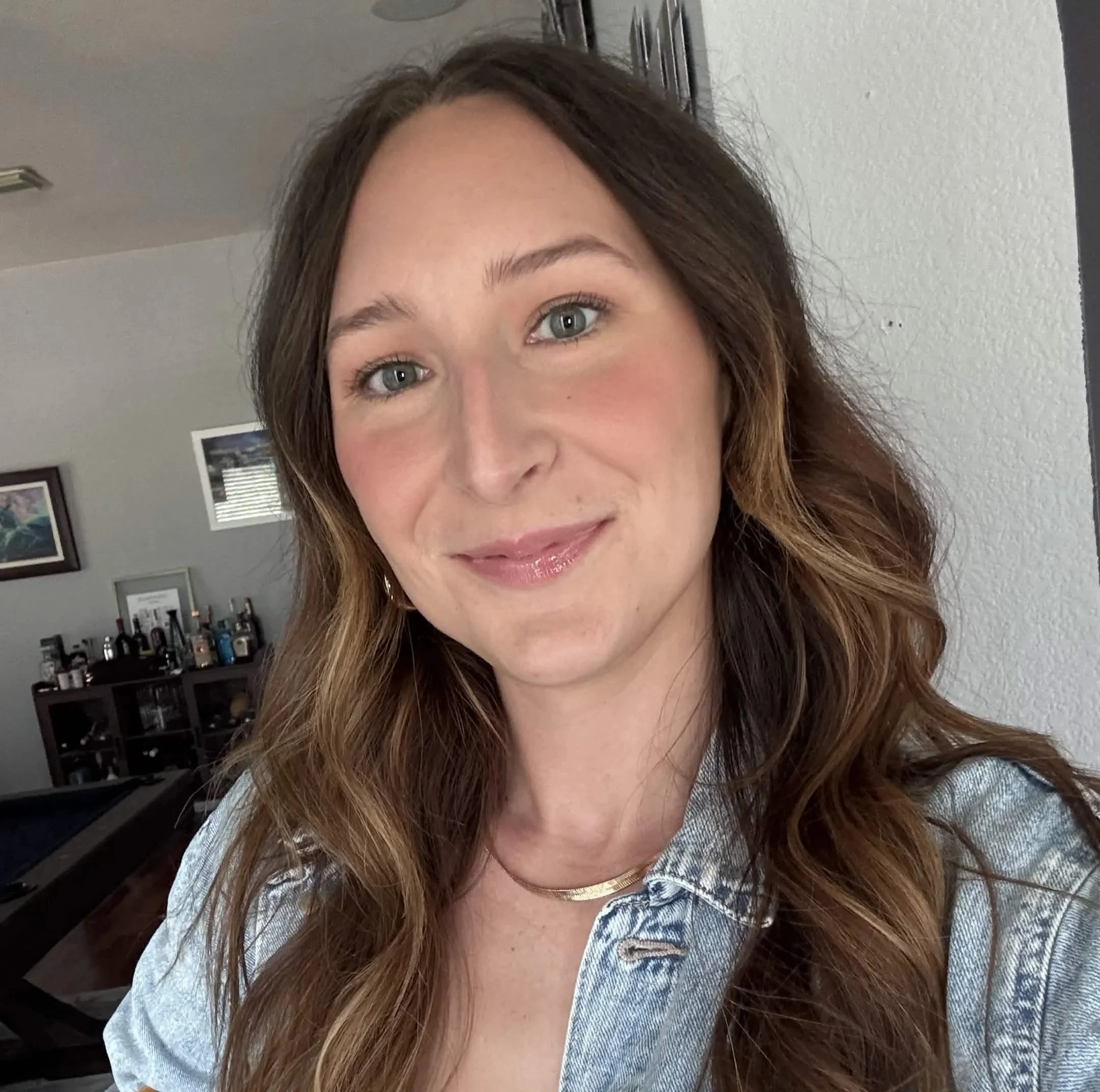
“You have to accept your window of availability.”
~ Rachael, The Confluence Code
Finding a Trading Strategy That Fits
Rachael’s approach has evolved over time. She began with stocks, later moved into futures, and explored different methods before finding that volume profile gave her a visual way to understand the market. Volume profile shows where trading activity has occurred across different price levels. Rachael and I both appreciate the way it can help us see areas of interest and build context around a potential trade.
But what works for one trader won’t necessarily fit another. Rachael’s experience is a good example of staying curious, testing ideas, and finding an approach that makes sense for your own personality and lifestyle. She continues to refine her process, including how she thinks about scaling into positions. That willingness to keep learning is something I value. Becoming a trader isn’t a finish line where you receive a credential and suddenly do everything perfectly. It’s an ongoing process of observing, learning, and adjusting.
If you’re interested in learning more about Rachael and the tools, education, and community she’s helped build with Brandon and Fraser, you can explore The Confluence Code here.
Disclosure: This is an affiliate link. I may receive a commission if you make a purchase through my link, at no additional cost to you.
Making Trading Fit Your Life as a Mom
As two moms who trade, Rachael and I also had an honest conversation about the challenges of balancing charts, children, and everything else life requires. Rachael shared that there were times she tried to watch the market while caring for her young children - and the stress spilled over. She realized she needed to change her approach rather than expect herself to manage everything at once. For a period, she traded the Asian session because those hours worked better for her family. Now, with help in the mornings, she generally trades during a defined window from 9:30 a.m. to noon Eastern Time and then shifts her attention to her children.
That boundary also reflects what she learned about her own trading: her afternoon results weren’t as strong, so spending more time at the screen wasn’t necessarily helping. Not everyone has access to childcare or the freedom to choose the same hours. The larger lesson is to look honestly at the time and support you do have, then build a routine around it. If your available window passes without a setup, it’s okay to end the session without taking a trade. Trading has to fit into your life in a way that you can sustain.
Stop Comparing Your Journey to Someone Else’s Highlight Reel
Social media can make trading look like a never-ending stream of huge payouts, luxury purchases, and effortless wins. What you usually don’t see is the time, losses, resources, and circumstances behind those posts. Rachael talked about how one unusually large winning day can distort your expectations. Suddenly, that exceptional result becomes the number you feel you should make every day. That pressure can lead to taking more risk, and giving back progress in the process.
Your goals don’t have to look like anyone else’s. Maybe you’re working toward paying for a family vacation, building savings, or simply buying groceries with a little less stress. Those goals matter.
I also think it’s important to recognize progress that doesn’t show up immediately in your P&L:
Did you follow your trading plan?
Did you accept a planned loss without revenge trading?
Did you size appropriately for the conditions?
Did you walk away when your trading window ended?
Did you stay patient when your setup wasn’t there?
Those decisions are part of building the habits that can support you over the long term.
Let It Take Time
Near the end of our conversation, I shared something my trainer Amy has reminded me many times: “Let it take time.”
It applies to trading just as much as it applies to building strength. You can’t rush experience, and trying to force progress by taking on more than you’re ready for can set you back. Give yourself permission to learn. Pay attention to your patterns. Protect your capital. And remember that a smaller, thoughtful trade - or no trade at all - can be a valuable choice.
As Rachael put it, it comes back to having a rule set, managing your size, and being willing to accept the outcome of your trade. Your journey doesn’t need to look like anyone else’s. Build a process that works for you, and give it time to grow.
This article is for educational purposes only and is not financial or investment advice. Futures trading involves substantial risk of loss and is not suitable for everyone. Past performance does not guarantee future results.
🔗 Connect with Guest, Rachael:
👉 The Confluence Code Free Discord: https://whop.com/checkout/plan_mdvJL9NydeMZn
👉 Instagram: https://www.instagram.com/rachaelreadsnq
If you find value in these conversations, please do like and subscribe to the podcast on whatever platform you caught this episode on. And if you are considering being a guest on my podcast as well, reach out and let’s talk!! https://www.market-mamas.com/contact Take care! 💛📈