
Backtesting is a Powerful Tool
Why Backtesting Is a Non-Negotiable Skill for Strong Traders
Studying the past sharpens execution, patience, and confidence in real time. Backtesting is one of those things every trader knows they should be doing. Yet many of us struggle to make it a consistent part of our routine. Recently, I spent a full weekend intentionally backtesting my trading system, and the impact it had on my clarity, patience, and execution was immediate.
In this episode of Market Mamas, I break down why backtesting is so powerful, how to do it effectively, and why it matters just as much for experienced traders as it does for beginners. If trading is your business, backtesting is part of the work.
What Backtesting Really Is (and What It Isn’t)
At its core, backtesting is the practice of studying past market data to better understand how your trading system behaves over time.
It’s not about:
Proving you were “right”
Chasing perfect trades
Or trying to make fake money in hindsight
Instead, it’s about:
Pattern recognition
Data collection
System refinement
And strengthening your decision-making under pressure
Backtesting gives you screen time without the emotional weight of real-time execution. And that alone makes it incredibly valuable.
The Psychological Advantage of Backtesting
One of the biggest benefits of backtesting is something traders often overlook: the absence of pressure.
When you’re live trading, your brain is juggling:
Entries and exits
Stop placement
P&L
Fear of being wrong
Fear of missing out
During backtesting, that noise disappears.
You’re no longer asking: “Should I enter now?”
Instead, you’re asking: “What actually happened here, and why?”
This shift allows you to:
Think more clearly
Notice subtleties in price action
Study how long setups really take to form
Observe where impatience usually costs you
That clarity is priceless.
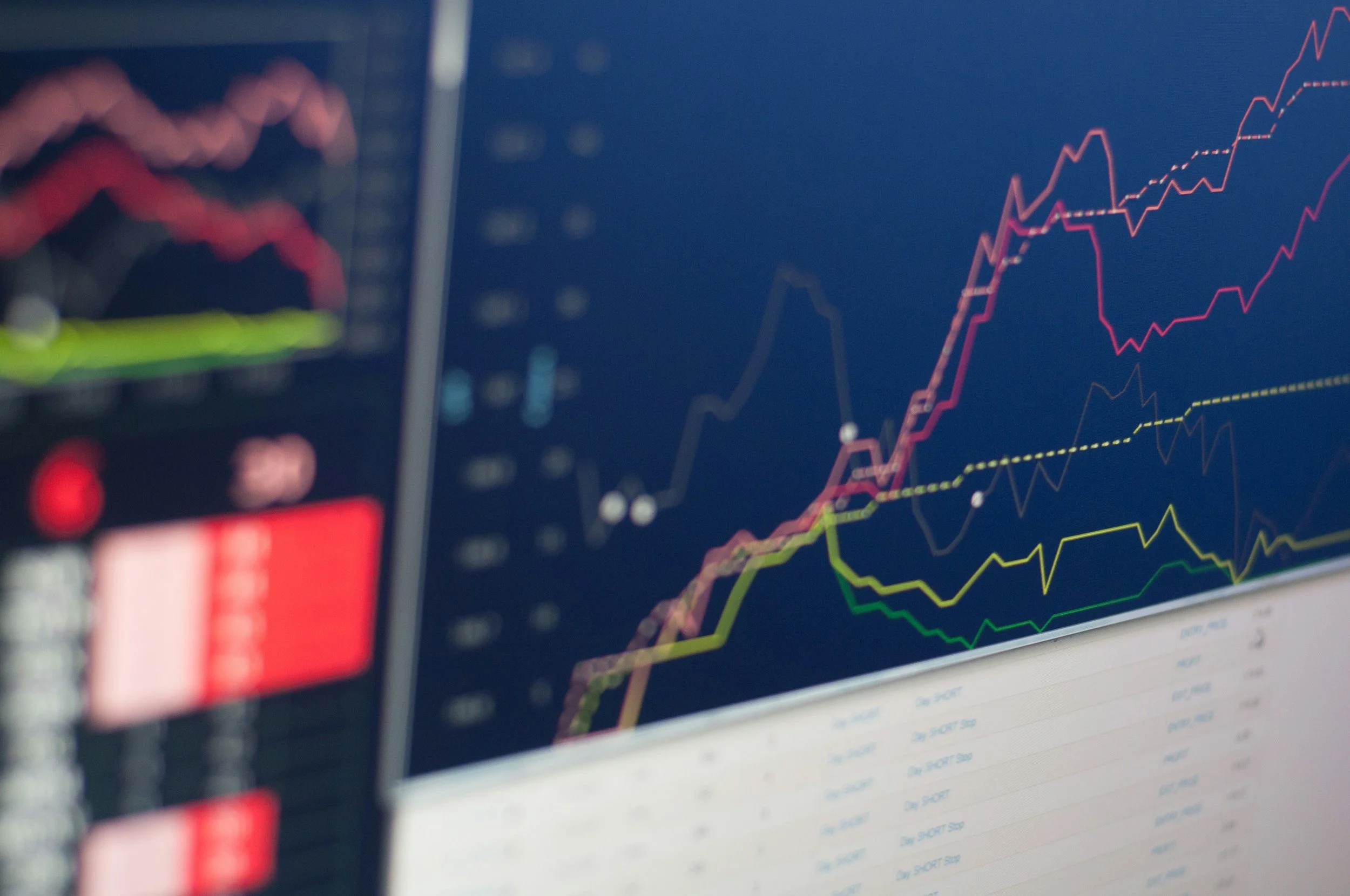
“If trading is your business, backtesting is the studying and research required to run that business well.”
~ Becky Gaskell, Market Mamas
Two Powerful Ways to Backtest
There’s no single “right” way to backtest. Your approach should match your goal for that session.
1. Observation-Only Backtesting
This is where you:
Scroll through historical data
Study price behavior at your key levels
Make notes on structure, candles, reactions, and timing
Track wins, losses, fakeouts, and failures
This method is excellent for:
Developing patience
Improving pattern recognition
Refining entry and stop rules
This is the approach I recently used and it helped me deeply understand when I should be trading and when I should absolutely be waiting.
2. Simulated Trade Execution
Many platforms (like TradingView) allow you to simulate entering and managing trades.
This can be incredibly effective if done intentionally.
Key rule:
👉 Trade your simulated account the same way you trade live.
That means:
Same position size
Same stop logic
Same rules
Backtesting with unrealistic size or “YOLO” trades can actually harm your psychology. The goal is muscle memory, not fantasy profits.
When done correctly, simulated execution:
Builds confidence
Improves execution speed
Reinforces discipline
Backtesting Sharpens Pattern Recognition
One of the biggest “aha” moments from my recent backtesting session was realizing how much faster my brain began recognizing setups.
By studying:
Consolidation at levels
Failed breakouts
Retests after momentum moves
The time it takes for accumulation or distribution
I became quicker at identifying:
Fakeouts
High-probability entries
When not to trade
Backtesting compresses years of experience into focused study time.
From Discretionary to Rules-Based Trading
Data creates confidence.
When you backtest, you gather evidence:
Where your best entries occur
How often certain setups work
Where stops should actually be placed
When patience pays off
This allows you to shift from:
“I feel like it’s ready…”
to:
“My data says this setup works 7 out of 10 times.”
Clear rules reduce:
Emotional decision-making
Overtrading
Second-guessing
And that’s where consistency starts to form.
The Real-World Results
The very next trading day after my backtesting session, I noticed:
More patience
Less anxiety
Cleaner execution
I took only two trades — both green — and held my runner longer than usual because my backtesting showed those secondary targets often get hit.
That calm didn’t come from luck.
It came from showing up for the work.
Why Backtesting Matters at Every Stage
Backtesting is not just for new traders. Whether you’ve been trading 6 months, 2 years, or 5+ years,
Backtesting:
Refines your edge
Keeps your system honest
Strengthens your emotional control
Helps you trade less, but trade better
If trading is your business, this is your research and development.
How to Get the Most Value from Backtesting
A few final tips:
Backtest the time of day you actually trade
Focus on your A+ setups
Take notes. Patterns repeat
Be curious, not judgmental
Schedule backtesting like an appointment
The goal isn’t perfection.
The goal is preparation.
I hope this topic was helpful for you all! Backtesting sessions really are great for me and I love sharing what brings me value. Cheers to great trading! And thank you for being here.
To those who show up for these conversations, the mental effort and time dedication, you are my people and I would love to get to know you better! Please take a moment to shoot me a comment on https://www.market-mamas.com/contact! Catch you next time! Keep learning, keep growing, and keep trusting yourself. We got this!