
Trading Psychology: Beyond Willpower with Peter Ku
Knowing your trading rules and following them under pressure are two very different skills. A losing trade can quickly become an urge to recover, increase size, or keep clicking long after your best opportunities have passed.
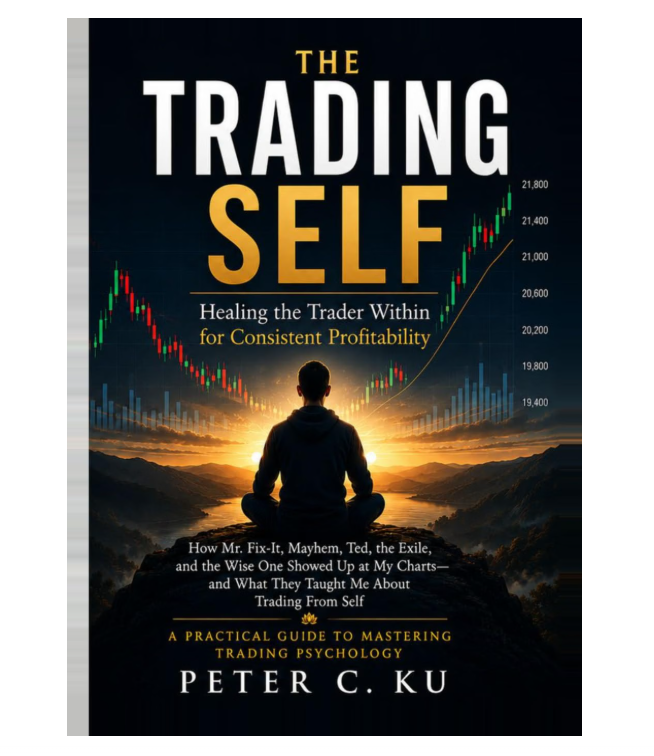
In this episode of Market Mamas, I welcome back my longtime trading friend Peter Ku, author of The Trading Self, for an honest conversation about emotional trading, self-awareness, and protecting your accounts on difficult days.
Peter and I have shared this journey since 2021. What I appreciate about his story is his willingness to look beyond the charts and do the personal work behind his trading decisions.
Why Trading Discipline Can Be Difficult
Peter describes reaching a point where another strategy, or another promise to be more disciplined, wasn't enough. He needed to understand what was happening internally when trading became emotionally charged.
For him, a loss could bring an urgency to fight back. That reaction sometimes meant overtrading or increasing size in an effort to finish green.
Recognizing that pattern changed the question from “Why can't I follow my rules?” to “What am I reacting to, and what do I need before I take another trade?”
Peter's Experience with Internal Family Systems
A significant part of Peter's personal work has involved Internal Family Systems, or IFS. He describes using this framework to recognize different internal “parts,” including protective reactions that could take over during a stressful trading session.
Instead of fighting those reactions, Peter has worked on understanding them and responding with more compassion. His preparation now includes meditation and an internal check-in before opening the charts.
He is clear that this is his path, rather than a universal solution for traders. For those interested in exploring similar work, he encourages reading and working with a qualified professional.
My takeaway: self-awareness deserves a place in trading preparation alongside market analysis.
“Great trading in the end is mostly about managing downside … than it is about maximizing upside.”
~ Peter Ku, The Trading Self
A Simple Reset: Step Away After One or Two Trades
One of Peter's most useful practices is taking a 30-minute break after one or two trades, win or lose.
That pause gives him space to notice his thoughts without immediately acting on them. The intention is to interrupt the momentum that can turn a trading session into a cycle of emotional decisions.
A winning trade can create urgency, too. Stepping away offers a chance to reassess before confidence becomes unnecessary risk.
Psychological Work Still Needs Risk Management
Peter also shares that he uses hard loss limits on his accounts. Feeling more centered has helped him, but he still has difficult days.
I relate to that. In my own trading, I use daily loss limits and platform lockouts, and I structure commitments outside my office to help me end the session. Those boundaries have protected my accounts while I continue working on my execution.
Understanding your emotions and setting firm trading limits can support each other. Personal growth doesn't remove the need to manage downside.
Build Awareness Before the Next Trade
This conversation is a reminder that progress doesn't require becoming a flawless trader. It requires recognizing your patterns, doing the work, and building boundaries for the moments when following your plan feels hardest.
Before your next session, ask yourself: Am I ready to execute my plan, or am I looking for the market to change how I feel?
Watch my full conversation with Peter Ku in this episode of Market Mamas, and explore his book, The Trading Self, on Amazon.
🔗 Connect with Guest, Peter Ku:
👉 LinkedIn: https://www.linkedin.com/in/peterku/
If you find value in these conversations, please do like and subscribe to the podcast on whatever platform you caught this episode on. And if you are considering being a guest on my podcast as well, reach out and let’s talk!! https://www.market-mamas.com/contact Take care! 💛📈