
Investor & Trader: WiLL Young
Riding the Waves of the Market: Key Lessons from My Conversation with WiLL Young
In a recent episode of the Market Mamas podcast, I sat down with trader and portfolio manager Will R. Young for a deep, insight-packed conversation about psychology, risk, discipline, and surviving long enough in the markets to thrive. Will blends practical portfolio management experience with dozens of vivid analogies, especially surfing, to help traders understand what it really takes to grow and protect capital.
Here are the biggest takeaways from our discussion.
1. Your Number One Risk Tool: Diversification
Will shared how he often builds positions in threes — such as buying Caterpillar, John Deere, and United Rentals around the U.S. infrastructure bill.
The reason? Even the smartest thesis can get sideswiped by unpredictable company decisions, policy announcements, or sector shifts. Diversifying across a small cluster inside a theme helps offset the unknown.
Will’s rule of thumb: If two go up and one goes down, you’ll still be happy. If one runs and two lag, you’ll likely break even instead of blowing up.
Not every trader wants a giant portfolio, and Will isn’t advocating owning “everything.” Instead, he suggests thoughtful micro-diversification: a handful of names in the same area so luck doesn’t become your enemy.
2. Control the Controllables — and Accept the Rest
At the core of Will’s trading philosophy is the idea of controlling what’s actually in your control:
your position sizing
your stop losses
your preparation
your emotional state
and your reaction to unexpected events
Everything else is outside your command - earnings surprises, geopolitical headlines, CEO blunders, or a sector suddenly falling out of favor.
3. Surfing and Trading: The Perfect Metaphor
One of the most engaging parts of our conversation was Will’s surfing analogy - a surprisingly perfect parallel to market psychology.
In surfing:
The ocean is bigger than you - just like the market.
Conditions change suddenly - swells, temperature shifts, rip currents.
If you’re not present, you get crushed.
Your equipment matters.
Experience comes from many wipeouts.
In trading:
Volatility is the swell; you can’t control it.
A stop loss is your “duck dive.”
Market cycles are like tides - predictable in direction, unpredictable in magnitude.
The moment you’re distracted or overconfident, you get hit hardest.
Improving means swallowing a lot of metaphorical saltwater.
His best advice? Sometimes you should just get out of the water. High-volatility environments aren’t always for swimming.
4. Big Wins Create Big Risk — If You Don’t Step Away
We talked about the emotional roller coaster of making a fast, clean win — especially for day traders. Will emphasized that euphoria is just as dangerous as frustration.
After a windfall, the temptation is to “press it” and try to double the magic. That’s exactly when traders give back gains.
Will’s solution: stop trading when you’re ahead. Take the win, go enjoy your day, and return when your mind is level again. Sustainable profits come from protecting gains, not stretching them.
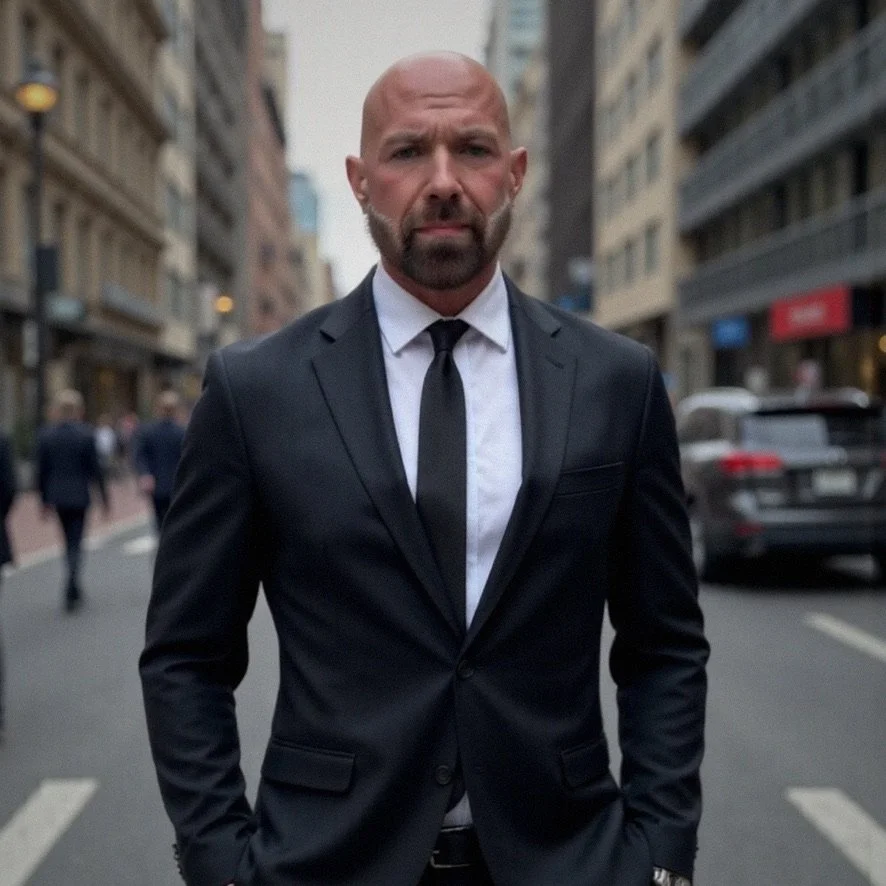
“You don’t get mad at the ocean. It doesn’t do anything. You just say, ‘that stunk.’ And that’s the same with the markets.”
~ WiLL Young
5. Small Losses Are the Secret to Fast Compounding
One of Will’s strongest points: compounding only works if you stay in the game. A trader with no devastating losses compounds dramatically faster than the trader with occasional blow-ups.
Examples from our discussion:
Cutting Netflix at an 8% loss - which later became a 13–14% drop
Selling forgotten winners the moment they offer clean profit
Always honoring stops, even when your ego wants another chance
Minimizing losses is a superpower. It’s not flashy - but it’s the difference between long-term success and long-term stress.
6. Preparing for Events: Earnings, Macro Shifts, and Unknown Unknowns
Will emphasized having a written plan for key scenarios:
✔ If earnings surprise to the upside
✔ If earnings shock to the downside
✔ If a one-off headline creates a temporary mispricing
✔ If your favorite stock suddenly becomes cheap
✔ If nothing happens and conditions stay flat
Traders who plan in advance avoid emotional decisions in the heat of the moment. He shared examples like buying Wells Fargo after a scandal-driven collapse, or catching undervalued companies right after earnings dips - strategies only possible with cash on hand and a pre-made plan.
7. Stay Hungry: The “Red Queen Effect”
In one of the closing lessons, Will referenced the Red Queen Effect from Through the Looking-Glass:
“It takes all the running you can do, just to stay in the same place.”
Trading evolves constantly. Markets speed up. News accelerates. Competition increases.
If you’re not learning faster than the environment is changing, you fall behind - even without making obvious mistakes. Growth is a daily commitment, not a destination.
8. The Power of Community
Will and I both believe that trading alone is risky. Community is one of the most protective tools a trader can have:
It keeps you humble.
It keeps you accountable.
It prevents emotional spiral.
It gives you perspective and mentorship.
And sometimes it simply reminds you when to stop trading for the day.
Will talks about how trading groups have helped him refine stop placement, decision-making, and emotional discipline. Seeing others’ mistakes can also illuminate your own blind spots.
Final Thoughts: Trade Like a Surfer
My conversation with Will is one of my favorites because his analogies crystallize the realities of trading:
✔ Prepare relentlessly
✔ Respect the environment
✔ Know when to rest
✔ Expect wipeouts
✔ Celebrate safe, smart wins
✔ Protect yourself from the waves you can’t see coming
🔗 Follow Guest WiLL Young:
👉 Website: http://willryoung.com/
👉 YouTube: https://www.youtube.com/@WiLLRYoung
👉 Email: will@willryoung.com
Whether you’re a new trader or a seasoned one, Will’s wisdom is a reminder that success comes from discipline, patience, and humility, not predictions. Conversations with other traders and entrepreneurs in the financial industry are so valuable for me to have, and hence are such a gift for me to be able to bring to the public in this way. I’m so grateful you were a guest on the podcast Will!
If you find value too, please do like and subscribe to the podcast on whatever platform you caught this conversation on and let’s evolve together into the highest profitability!! And if you are considering being a guest on my podcast as well, reach out and let’s talk!! https://www.market-mamas.com/contact Take care!