
Warren Buffett
Warren Buffett: The Discipline Behind the Billions
What if the biggest edge in trading wasn’t speed, indicators, or constant action… but patience?
That’s the question at the heart of this week’s Learning from Legends episode, where I dug in and broke down the life, philosophy, and timeless wisdom of Warren Buffett. Known as the “Oracle of Omaha,” Buffett didn’t build one of the greatest financial track records in history by chasing the market. He did it by thinking differently about risk, value, and discipline, principles that translate directly into trading psychology. Let me tell you all I learned about this LEGEND!
From Newspaper Routes to Billions
Buffett’s story doesn’t start on Wall Street. Born in Omaha during the Great Depression, he developed an early obsession with money and numbers, selling gum, delivering newspapers, and even running small businesses as a kid. By age 11, he had already bought his first stock.
He’s often quoted as saying, “I was born wired for allocating capital.” But what’s more important is how he learned from early mistakes. After selling one of his first investments too soon and watching it climb much higher, Buffett internalized a lesson many traders learn the hard way: impatience has a cost.
The Philosophy That Changed Everything
Buffett’s career took a defining turn when he discovered Benjamin Graham and his book The Intelligent Investor. That’s where he adopted a mindset that separates professionals from emotional market participants: “Price is what you pay. Value is what you get.”
This idea is simple, but powerful. Markets move constantly, but not all movement means opportunity. For traders, this translates into a critical question: are you reacting to price, or are you making decisions with context and intention? Buffett stopped seeing stocks as tickers and started seeing them as businesses. That shift from reaction to understanding, is where discipline begins.
Building Berkshire Hathaway: A Lesson in Patience
Something I didn’t know is that when Buffett took control of Berkshire Hathaway, it was a struggling textile company! Over time, he transformed it into a powerhouse holding company with investments in some of the world’s most recognizable brands. But here’s the key: he didn’t build that empire through constant trading. He built it through selective conviction.
Buffett famously said, “The stock market is designed to transfer money from the active to the patient.” That idea can feel uncomfortable in a world where traders are conditioned to stay active. But overtrading, forcing setups, and chasing momentum are often where accounts start to erode. Sometimes the most profitable decision is simply to wait.
The Quotes Every Trader Should Understand
Buffett’s quotes are widely shared, but often misunderstood. I think the real value comes from understanding the psychology behind them. So, I dug into them for us!
“Rule No. 1: Never lose money. Rule No. 2: Never forget Rule No. 1.”
This isn’t about avoiding losses entirely. It’s about protecting capital. Risk management, position sizing, and discipline are what keep traders in the game long enough to succeed.
“Be fearful when others are greedy and greedy when others are fearful.”
Markets are emotional ecosystems. When everyone is chasing, risk is often highest. When fear peaks, opportunity may quietly emerge. The ability to stay grounded while others react is a powerful edge.
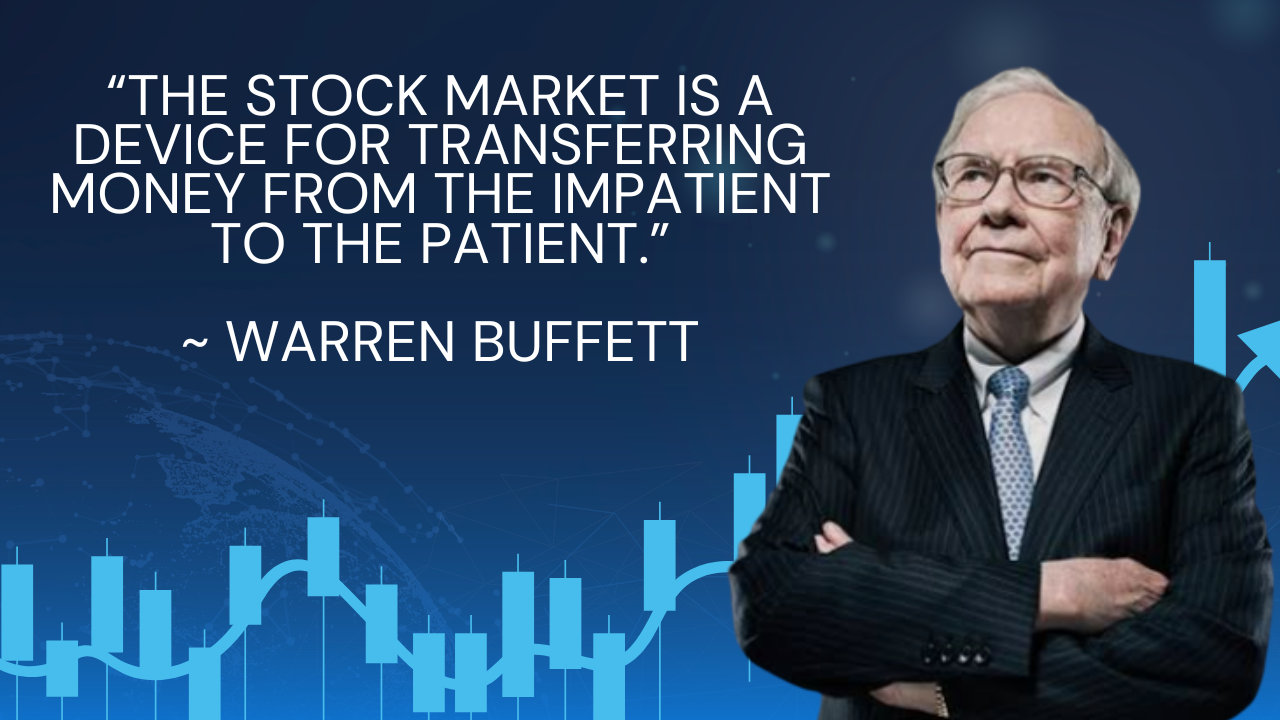
“The stock market is a device for transferring money from the impatient to the patient.”
This is where most traders struggle. Impatience leads to overtrading, revenge trading, and breaking well-defined plans. Patience, on the other hand, compounds. When you start trading from a very patient, centered place, you’ll feel the improvement in your outcomes.
“You only have to do a very few things right… so long as you don’t do too many things wrong.”
This is one of Buffett’s most practical insights. Success isn’t about perfection. It’s about avoiding catastrophic mistakes and letting consistency work over time.
“Chains of habit are too light to be felt until they are too heavy to be broken.”
This one hits directly at trading psychology. Small habits (moving stops, forcing trades, ignoring rules) don’t seem significant in the moment. But over time, they define outcomes. They create your identity. And the flip side of that is equally powerful, if not more so. Honoring your size and risk parameters, only trading based on clear signals, respecting your trade plan - those habits compound in the best way!
What Traders Can Learn from Buffett
Even though Buffett is a long-term investor, his principles apply deeply to short-term traders. His real edge isn’t just knowledge, it’s temperament! Which we all know is a big deal when we sit down to execute our trades. He once said, “Success in investing doesn’t correlate with IQ… but with temperament.” That insight alone explains why so many traders struggle. It’s not about knowing more. It’s about executing consistently under pressure.
Buffett also emphasizes clarity. “Risk comes from not knowing what you’re doing.” For traders, that means understanding your setups, your edge, and your plan before entering the market, not figuring it out mid-trade. And perhaps most importantly, Buffett reminds us that activity is not the same as productivity. In trading, doing less more intentionally, is often what leads to better results.
The Human Side of a Legend
Despite his immense wealth, Buffett is known for living simply. He still resides in the same home he purchased in 1958 and spends much of his time reading and thinking rather than reacting.
He’s also made his share of mistakes, missing major opportunities and openly acknowledging them. That humility is part of what makes his philosophy so grounded. Even at the highest level, growth comes from reflection and discipline. Today, he continues to lead Berkshire Hathaway, shaping markets and sharing insights that influence investors and traders around the world.
Final Thoughts: The Edge You Can’t Fake
Warren Buffett didn’t become a legend by doing more. He became a legend by doing less - better. He waited when others rushed. He stayed disciplined when others got emotional. And he focused on avoiding big mistakes rather than chasing constant wins.
For traders, that may be the hardest lesson of all. Because the market will always tempt us to act. But our real edge? It’s knowing when not to.
If you’re serious about improving your trading psychology, this episode is worth your time. And if it resonates, share it with another trader who needs the reminder: discipline isn’t flashy, but it’s everything.
And that’s a wrap for my deep dive into the life of Legendary Trader Warren Buffett. I love trading and am completely dedicated to continual pursuit in this business. And I’m pretty into the opportunity hosting this podcast provides me as well. I believe we can help each other out and all pursue greatness together. There is tremendous power in a supportive community and I am so grateful to anyone who has read to the end of this episode blog and is still here and hence is allowing me the privilege of contributing to your trading support system. Please send me a comment (https://www.market-mamas.com/contact) if you are into this podcast series idea and have legendary traders that you would like to hear me cover in future episodes. Happy trading and take care of yourself along the way 💛